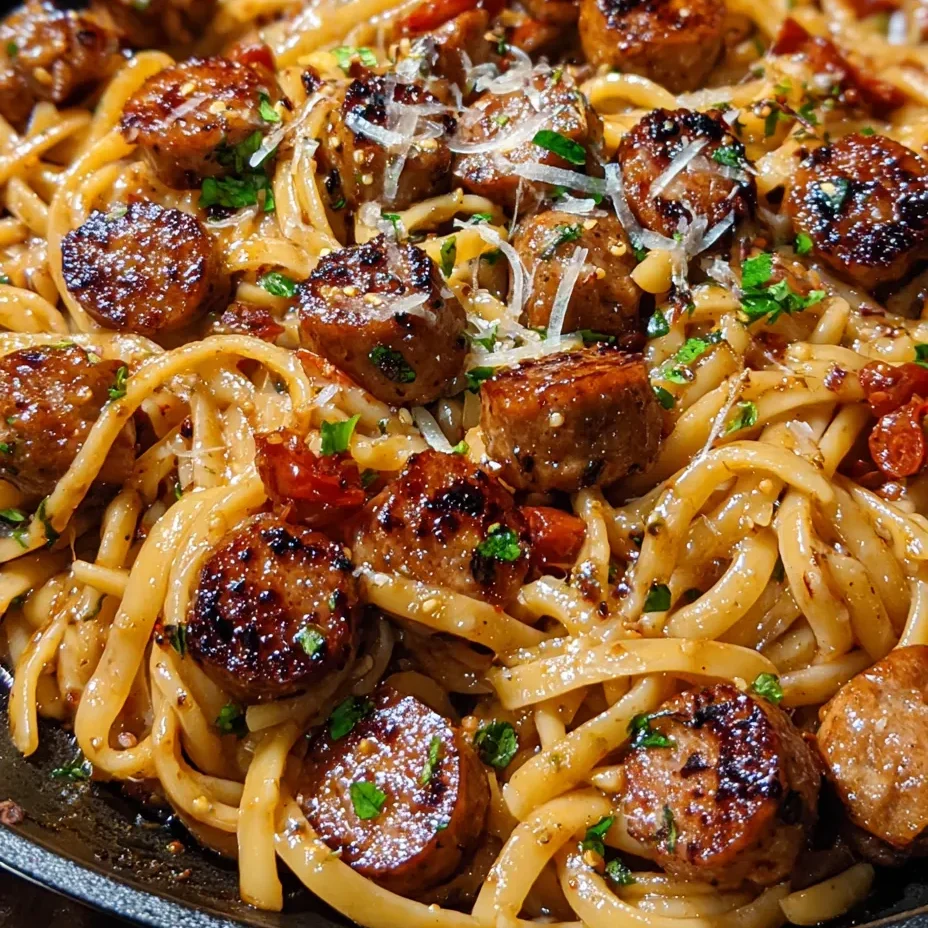
Okay, so imagine if honey garlic sauce and Italian sausage had a baby over perfectly cooked pasta, then invited butter, garlic, and soy sauce to make everything ridiculously delicious. That’s what we’re dealing with here. Sticky Honey Garlic Sausage Pasta Skillet is basically sliced sausage (spicy Italian, smoked, or whatever you love) coated in a glossy, sticky honey-garlic glaze with hints of soy sauce and ginger, all tossed with pasta and maybe some veggies for good measure. The sauce caramelizes onto the sausage creating crispy, sticky edges while coating the pasta in that sweet-savory-umami goodness. It’s the kind of dish that makes you lick your fork and seriously consider licking the pan. I made this on a random Wednesday once and my roommate declared it better than any restaurant pasta they’d ever had. Another time I brought leftovers to work and three people asked if I was starting a food business. This pasta inspires restaurant comparisons and entrepreneurial suggestions.
Why You’ll Love This Recipe
One pan does everything. Pasta, protein, sauce—all in one skillet. Minimal cleanup, maximum flavor.
Sweet and savory perfection. Honey and soy sauce create that addictive Asian-inspired glaze that hits all the right notes.
Ready in 30 minutes. From hungry to eating in half an hour. Faster than delivery and way better.
Sticky, caramelized goodness. That glaze gets slightly crispy on the sausage edges. Pure flavor magic.
Kid-approved. Even picky eaters demolish this. The sweet honey balances any spice from the sausage.
Customizable protein. Use any sausage you like—spicy, mild, chicken, turkey, whatever’s in your fridge.
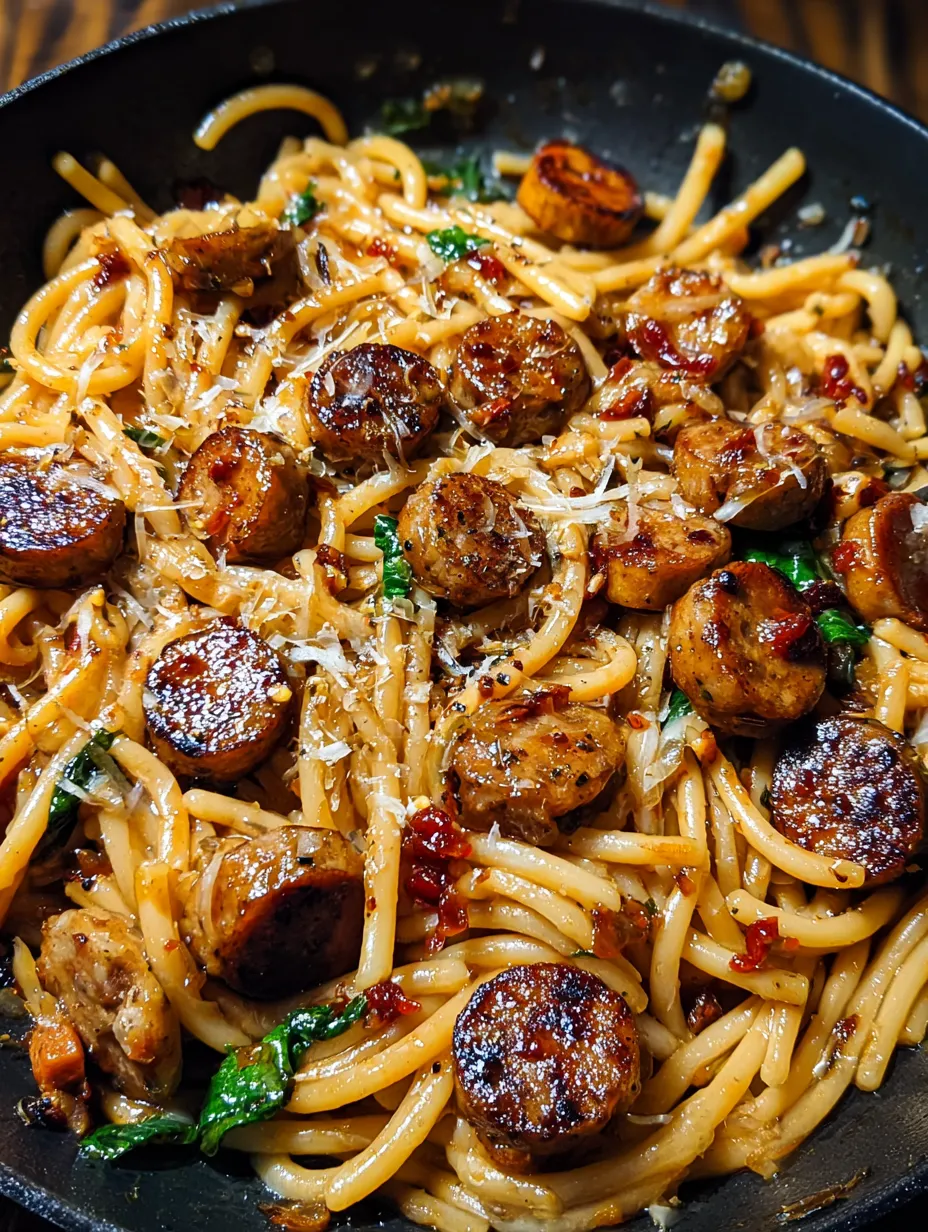
The Good Stuff You’ll Need
For the Pasta and Sausage:
- 12 oz pasta (penne, rigatoni, or fusilli work best)
- 1 lb Italian sausage (sweet, spicy, or a mix—links or bulk)
- 2 tbsp olive oil or butter
- 1 medium onion, diced
- 1 bell pepper, diced (red, yellow, or orange—adds color and sweetness)
- 4 cloves garlic, minced
- Optional: 2 cups broccoli florets, snap peas, or baby spinach
For the Honey Garlic Glaze:
- 1/3 cup honey
- 1/4 cup soy sauce (low-sodium works great)
- 2 tbsp butter
- 1 tbsp rice vinegar or apple cider vinegar
- 1 tsp fresh ginger, grated (or 1/2 tsp ground ginger)
- 1 tsp sesame oil (adds depth and nuttiness)
- 1/2 tsp red pepper flakes (optional, for heat)
- 2 tsp cornstarch mixed with 2 tbsp cold water (for thickening)
- Black pepper to taste
For Garnish:
- Sesame seeds (white or black)
- Sliced green onions
- Fresh cilantro or parsley
- Red pepper flakes
- Lime wedges
Optional Add-Ins:
- Pineapple chunks (for Hawaiian vibes)
- Cashews or peanuts for crunch
- Water chestnuts for texture
- Baby corn
- Mushrooms, sliced
- Zucchini, diced
Equipment:
- Large pot for boiling pasta
- Large skillet (12-inch) with lid
- Wooden spoon or spatula
- Small bowl for mixing cornstarch slurry
- Colander
- Tongs
Let’s Do This
Step 1: Cook the Pasta
Bring a large pot of salted water to a rolling boil.
Add the pasta and cook according to package directions until al dente—usually 8-10 minutes.
Before draining, reserve 1 cup of pasta water. This starchy water is liquid gold for adjusting sauce consistency later.
Drain the pasta but don’t rinse it. The starch helps the sauce cling to the pasta.
Toss with a tiny drizzle of olive oil to prevent sticking while you cook everything else.
Step 2: Cook the Sausage
While the pasta cooks, heat 1 tablespoon olive oil in a large skillet over medium-high heat.
If using sausage links, remove from casings and break into bite-sized chunks with your hands or a knife.
If using bulk sausage, just break it up as it cooks.
Add sausage to the hot skillet and cook for 6-8 minutes, breaking it into pieces with a wooden spoon, until browned and cooked through.
Don’t stir too much—let it get nice and caramelized on the edges. Those crispy bits are flavor nuggets.
Use a slotted spoon to transfer cooked sausage to a plate. Leave about 1-2 tablespoons of fat in the pan for flavor.
If there’s excessive fat (more than 3 tablespoons), drain some off but keep some for sautéing.
Step 3: Cook the Vegetables
In the same skillet with the sausage drippings, add another tablespoon of olive oil or butter if needed.
Add the diced onion and bell pepper. Cook for 4-5 minutes over medium heat until softened and slightly caramelized.
If using broccoli or snap peas, add them now with a splash of water, cover, and steam for 2-3 minutes until tender-crisp.
Add the minced garlic and grated ginger. Cook for 30-60 seconds until fragrant but not burned.
Stir frequently—garlic and ginger burn fast and become bitter.
Step 4: Make the Honey Garlic Glaze
Turn the heat to medium-low.
In a small bowl, whisk together honey, soy sauce, rice vinegar, sesame oil, and red pepper flakes if using.
Pour this mixture into the skillet with the vegetables.
Add the 2 tablespoons butter and stir until melted.
Let the sauce simmer for 2-3 minutes. It should start to bubble and thicken slightly.
In a separate small bowl, mix the cornstarch with cold water to create a slurry (this prevents lumps).
Pour the cornstarch slurry into the skillet while stirring constantly.
The sauce will thicken noticeably within 1-2 minutes, becoming glossy and sticky.
If it gets too thick, add a splash of the reserved pasta water to thin it out.
Step 5: Combine Everything
Return the cooked sausage to the skillet along with any accumulated juices.
Toss the sausage in the glaze, coating every piece. Let it cook for 2-3 minutes so the sauce caramelizes slightly on the sausage.
Add the drained pasta to the skillet.
Toss everything together using tongs, coating the pasta evenly with the sticky glaze.
If the sauce seems too thick or the pasta looks dry, add reserved pasta water a few tablespoons at a time until you reach your desired consistency.
The pasta should be glossy and coated, not swimming in sauce but not dry either.
Taste and adjust seasoning. Need more soy sauce? Add it. Want more sweetness? Drizzle more honey.
Step 6: Finish and Serve
If using spinach or any delicate greens, add them now and toss until just wilted.
Remove from heat.
Transfer to a large serving bowl or serve directly from the skillet for that rustic, family-style vibe.
Garnish generously with sesame seeds, sliced green onions, and fresh herbs.
Add red pepper flakes if you want extra heat.
Serve with lime wedges on the side for squeezing—the acid brightens everything.
Watch it disappear before your eyes.
Serving Suggestions
This is basically a complete meal in one pan, but here are some ideas:
- Serve with a side of steamed edamame for extra protein
- Pair with a crisp Asian-style cucumber salad
- Add a fried egg on top for breakfast-for-dinner vibes
- Serve with garlic bread (because carbs on carbs is acceptable)
- Pair with a cold beer or sparkling water with lime
- Make it a bowl: serve over rice instead of with pasta
- Add extra vegetables like bok choy or snow peas for more greens
Switch It Up
Chicken Version: Use chicken thighs or breasts cut into chunks instead of sausage. Season well.
Shrimp Option: Use large shrimp instead of sausage. Cook for 2-3 minutes per side until pink.
Spicy Kick: Add sriracha or sambal oelek to the glaze for heat.
Teriyaki Style: Add 2 tablespoons teriyaki sauce to the glaze for deeper flavor.
Pineapple Sweet and Sour: Add pineapple chunks and a splash of pineapple juice.
Veggie-Loaded: Double the vegetables—add mushrooms, zucchini, carrots, snap peas.
Low-Carb: Skip the pasta, serve over cauliflower rice or zucchini noodles.
Extra Garlicky: Double or triple the garlic because garlic is life.
Cashew Crunch: Add roasted cashews at the end for texture and richness.
Storage and Make-Ahead Tips
This reheats surprisingly well and is perfect for meal prep.
Refrigerate: Store in an airtight container for up to 4 days. The sauce may absorb into the pasta—just add a splash of water or broth when reheating.
Reheat properly: Use a skillet over medium heat with a splash of water to loosen the sauce. Microwave works but the skillet gives better texture.
Freeze: Cool completely, portion into containers, freeze for up to 2 months. Thaw overnight in the fridge before reheating.
Make ahead: Cook the sausage and make the sauce up to 2 days ahead. Store separately and combine with fresh pasta when ready to eat.
Meal prep: This is perfect for weekly meal prep. Portion into containers and reheat for easy lunches or dinners.
Add freshness: Top with fresh herbs, sesame seeds, and green onions right before eating for maximum freshness.
The sauce thickens: Pasta absorbs sauce over time. When reheating, add a few tablespoons of water or broth to restore that glossy consistency.
Why This Works So Damn Well
The combination of honey and soy sauce is a classic Asian flavor pairing that balances sweet and salty perfectly. Together they create umami-rich complexity.
Cornstarch creates the sticky texture that clings to the sausage and pasta. Without it, the sauce would be thin and runny instead of glossy and clingy.
Cooking sausage first renders the fat, which flavors the vegetables and creates a base for the sauce. This layers flavor throughout the dish.
Rice vinegar adds acidity that cuts through the sweetness and richness, preventing the dish from being one-note or cloying.
Sesame oil is potent so a little goes a long way. It adds that nutty, toasted flavor that screams “Asian-inspired” without overwhelming.
Fresh ginger brightens everything and adds a slight spicy-sweet note that complements the honey.
Pasta water is your friend. The starch in pasta water helps emulsify the sauce and creates a silky coating on the noodles.
Caramelizing the glaze on the sausage by letting it sit for a few minutes creates those sticky, slightly crispy edges that are the best part.
Tossing everything together ensures every piece of pasta and sausage gets coated in that glaze. No sad, dry bites.
When to Make This
Busy Weeknights: This comes together fast and uses one pan. Perfect for exhausted Tuesday vibes.
Meal Prep Sunday: Make a big batch, portion it out, eat well all week.
Picky Eater Dinners: The sweet honey makes this kid-friendly while still being interesting for adults.
Date Night at Home: Looks impressive, tastes amazing, minimal effort. Pair with wine and call it fancy.
Potluck Contribution: Transport in the skillet, reheat at the party, and watch it disappear.
College Student Cooking: Easy enough for beginners but tastes like you actually know what you’re doing.
Questions People Actually Ask
Q: Can I use a different type of pasta? A: Yes! Any short pasta that holds sauce well works—penne, rigatoni, fusilli, bowties, shells. Long pasta like spaghetti works too but is harder to toss.
Q: The sauce is too thick. What do I do? A: Add reserved pasta water or regular water a few tablespoons at a time until you reach the consistency you want.
Q: Can I use ground meat instead of sausage? A: Absolutely. Ground pork, chicken, turkey, or beef all work. Season generously with salt, pepper, and Italian seasoning.
Q: My sauce didn’t thicken. Why? A: You either didn’t add the cornstarch slurry, or you didn’t let it simmer long enough. Add more cornstarch slurry (1 tsp cornstarch + 2 tbsp water) and cook for 2 minutes.
Q: Is there a substitute for soy sauce? A: Coconut aminos or tamari work. For gluten-free, use tamari or gluten-free soy sauce.
Q: This is too sweet for me. How do I fix it? A: Add more soy sauce, a splash of vinegar, or a squeeze of lime juice to balance the sweetness.
Q: Can I make this less sticky? A: Use less honey (start with 1/4 cup) or skip the cornstarch. It won’t be “sticky honey garlic” anymore but will still be delicious.
Q: My garlic burned. What happened? A: Your heat was too high or you added it too early. Garlic should go in last and cook for only 30-60 seconds.
Q: Can I add more vegetables? A: Yes! This is very forgiving. Add whatever you like—mushrooms, zucchini, carrots, snap peas, bok choy.
Q: How do I make this spicier? A: Use spicy Italian sausage, add more red pepper flakes, or stir in sriracha or chili garlic sauce to taste.
PrintSticky Honey Garlic Sausage Pasta Skillet
- Total Time: 35 minutes
- Yield: 4–6 servings 1x
Description
Okay, so imagine if honey garlic sauce and Italian sausage had a baby over perfectly cooked pasta, then invited butter, garlic, and soy sauce to make everything ridiculously delicious. That’s what we’re dealing with here. Sticky Honey Garlic Sausage Pasta Skillet is basically sliced sausage (spicy Italian, smoked, or whatever you love) coated in a glossy, sticky honey-garlic glaze with hints of soy sauce and ginger, all tossed with pasta and maybe some veggies for good measure. The sauce caramelizes onto the sausage creating crispy, sticky edges while coating the pasta in that sweet-savory-umami goodness. It’s the kind of dish that makes you lick your fork and seriously consider licking the pan. I made this on a random Wednesday once and my roommate declared it better than any restaurant pasta they’d ever had. Another time I brought leftovers to work and three people asked if I was starting a food business. This pasta inspires restaurant comparisons and entrepreneurial suggestions.
Ingredients
For the Pasta and Sausage:
- 12 oz pasta (penne, rigatoni, or fusilli work best)
- 1 lb Italian sausage (sweet, spicy, or a mix—links or bulk)
- 2 tbsp olive oil or butter
- 1 medium onion, diced
- 1 bell pepper, diced (red, yellow, or orange—adds color and sweetness)
- 4 cloves garlic, minced
- Optional: 2 cups broccoli florets, snap peas, or baby spinach
For the Honey Garlic Glaze:
- 1/3 cup honey
- 1/4 cup soy sauce (low-sodium works great)
- 2 tbsp butter
- 1 tbsp rice vinegar or apple cider vinegar
- 1 tsp fresh ginger, grated (or 1/2 tsp ground ginger)
- 1 tsp sesame oil (adds depth and nuttiness)
- 1/2 tsp red pepper flakes (optional, for heat)
- 2 tsp cornstarch mixed with 2 tbsp cold water (for thickening)
- Black pepper to taste
For Garnish:
- Sesame seeds (white or black)
- Sliced green onions
- Fresh cilantro or parsley
- Red pepper flakes
- Lime wedges
Optional Add-Ins:
- Pineapple chunks (for Hawaiian vibes)
- Cashews or peanuts for crunch
- Water chestnuts for texture
- Baby corn
- Mushrooms, sliced
- Zucchini, diced
Equipment:
- Large pot for boiling pasta
- Large skillet (12-inch) with lid
- Wooden spoon or spatula
- Small bowl for mixing cornstarch slurry
- Colander
- Tongs
Instructions
Bring a large pot of salted water to a rolling boil.
Add the pasta and cook according to package directions until al dente—usually 8-10 minutes.
Before draining, reserve 1 cup of pasta water. This starchy water is liquid gold for adjusting sauce consistency later.
Drain the pasta but don’t rinse it. The starch helps the sauce cling to the pasta.
Toss with a tiny drizzle of olive oil to prevent sticking while you cook everything else.
While the pasta cooks, heat 1 tablespoon olive oil in a large skillet over medium-high heat.
If using sausage links, remove from casings and break into bite-sized chunks with your hands or a knife.
If using bulk sausage, just break it up as it cooks.
Add sausage to the hot skillet and cook for 6-8 minutes, breaking it into pieces with a wooden spoon, until browned and cooked through.
Don’t stir too much—let it get nice and caramelized on the edges. Those crispy bits are flavor nuggets.
Use a slotted spoon to transfer cooked sausage to a plate. Leave about 1-2 tablespoons of fat in the pan for flavor.
If there’s excessive fat (more than 3 tablespoons), drain some off but keep some for sautéing.
In the same skillet with the sausage drippings, add another tablespoon of olive oil or butter if needed.
Add the diced onion and bell pepper. Cook for 4-5 minutes over medium heat until softened and slightly caramelized.
If using broccoli or snap peas, add them now with a splash of water, cover, and steam for 2-3 minutes until tender-crisp.
Add the minced garlic and grated ginger. Cook for 30-60 seconds until fragrant but not burned.
Stir frequently—garlic and ginger burn fast and become bitter.
Turn the heat to medium-low.
In a small bowl, whisk together honey, soy sauce, rice vinegar, sesame oil, and red pepper flakes if using.
Pour this mixture into the skillet with the vegetables.
Add the 2 tablespoons butter and stir until melted.
Let the sauce simmer for 2-3 minutes. It should start to bubble and thicken slightly.
In a separate small bowl, mix the cornstarch with cold water to create a slurry (this prevents lumps).
Pour the cornstarch slurry into the skillet while stirring constantly.
The sauce will thicken noticeably within 1-2 minutes, becoming glossy and sticky.
If it gets too thick, add a splash of the reserved pasta water to thin it out.
Return the cooked sausage to the skillet along with any accumulated juices.
Toss the sausage in the glaze, coating every piece. Let it cook for 2-3 minutes so the sauce caramelizes slightly on the sausage.
Add the drained pasta to the skillet.
Toss everything together using tongs, coating the pasta evenly with the sticky glaze.
If the sauce seems too thick or the pasta looks dry, add reserved pasta water a few tablespoons at a time until you reach your desired consistency.
The pasta should be glossy and coated, not swimming in sauce but not dry either.
Taste and adjust seasoning. Need more soy sauce? Add it. Want more sweetness? Drizzle more honey.
If using spinach or any delicate greens, add them now and toss until just wilted.
Remove from heat.
Transfer to a large serving bowl or serve directly from the skillet for that rustic, family-style vibe.
Garnish generously with sesame seeds, sliced green onions, and fresh herbs.
Add red pepper flakes if you want extra heat.
Serve with lime wedges on the side for squeezing—the acid brightens everything.
Watch it disappear before your eyes.
Notes
This is basically a complete meal in one pan, but here are some ideas:
- Serve with a side of steamed edamame for extra protein
- Pair with a crisp Asian-style cucumber salad
- Add a fried egg on top for breakfast-for-dinner vibes
- Serve with garlic bread (because carbs on carbs is acceptable)
- Pair with a cold beer or sparkling water with lime
- Make it a bowl: serve over rice instead of with pasta
- Add extra vegetables like bok choy or snow peas for more greens
- Prep Time: 10 minutes
- Cook Time: 25 minutes
Nutrition
- Calories: ~520 kcal
- Sugar: ~18g
- Sodium: ~780mg
- Fat: ~18g
- Carbohydrates: ~62g
- Protein: ~24g